

Research shows wide disparities depending on country
Car rental rates in the US are expected to see an increase of 1.5% to 1.9% this year compared with 2024, according to the recently released Ground Monitor 2025-2026 report from American Express Global Business Travel (Amex GBT) Consulting.
Global rental car prices started to stabilize last year following a period of upheaval, according to the report. Demand and supply began to find equilibrium, and supply chain issues that pushed up prices receded. Despite this steadiness, the report forecasts larger rate spikes in certain countries.
For example, price increases in the US and Canada (up 2.5% to 3%) are expected to be moderate. However, Europe presents a mixed picture, with the Netherlands (flat to up 2%) and Nordics (flat to up 2%) forecast to be relatively stable, while the UK (up 5% to 7%) and Belgium (up 4% to 6%) could see significant increases.

Sara Andell, director of consulting strategy at Amex GBT Consulting, said, “After years of disruption, we’re now seeing car rental prices begin to stabilize across many countries.” However, she said the picture isn’t uniform. Local conditions vary, she said, and fast-moving geopolitical and economic developments still have the potential to shift pricing quickly. That’s why, said Andell, “it’s essential to have a well-managed, flexible ground program — one that can adapt to change and continue delivering value globally.”
The report offered several best practices to build a strong and agile program amid growing uncertainty, including:
- Build strong ties with key car rental partners. This can enable better value and availability, especially during busy times. This partnership can also help with EV adoption through steady demand and competitive pricing. When choosing partners, focus on coverage, cost, cooperation and fleet stability — those that own more vehicles usually offer more flexibility during disruptions.
- Align car rental and fleet management. Collaborate across departments such as finance, HR, procurement, legal and operations to unify car rental and fleet programs under a single provider. This alignment can improve value, availability, visibility and influence over mobility negotiations.
- Reconsider delivery and collection services. With staff shortages impacting providers, delivery and collection (dropping off cars to drivers) may become less common. Working with providers willing to pick up drivers instead can reduce costs, especially if they have coverage beyond metro hubs and airports to maintain traveler experience.
- Incorporate ride-share options. Despite previous concerns around policy compliance and duty of care, adding ride-share to a ground program can enhance traveler satisfaction, especially among younger employees. Ride-share services also provide detailed electronic data that improves expense management and reporting.
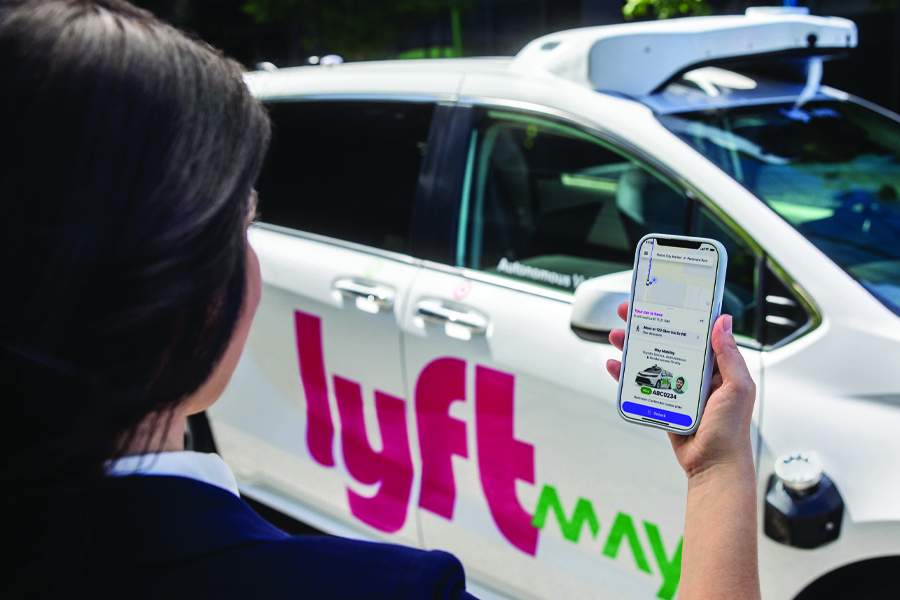
- Prepare for autonomous vehicles. While widespread adoption of AVs in corporate programs may not be imminent due to regulatory and legal barriers, considering their potential impact on travel policy, risk and insurance now can help managers stay ahead of future changes.